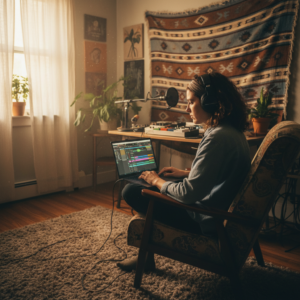
Home Studio Essentials: The Gear You Actually Need

A useful home studio begins with a clear purpose. Recording vocals has different needs from producing electronic music or tracking a full drum kit, so avoid buying equipment before defining the work.

The practical core

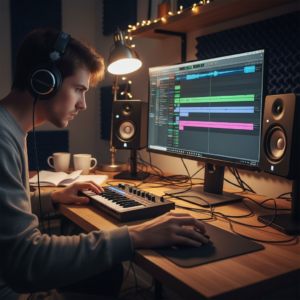
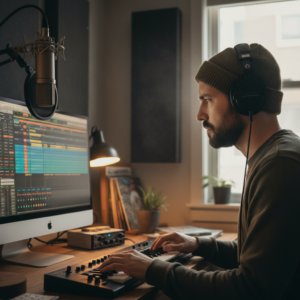
For most beginners, the essentials are a dependable computer, a digital audio workstation, a two-input audio interface, one appropriate microphone, closed-back headphones, and the cables and stands needed to use them safely.

Spend attention on the room

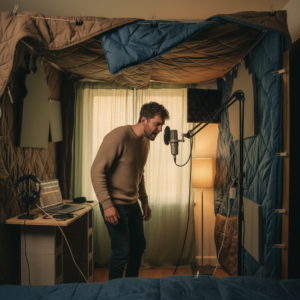
Microphone placement and basic acoustic control often improve a recording more than a premium upgrade. Soft furnishings, sensible speaker placement, and a quiet recording position can solve common problems before they reach the mix.

Learn one tool deeply

A small setup you understand is more powerful than a large setup you constantly troubleshoot. Finish several projects before deciding what genuinely limits your sound.

Related Posts

home studio acoustic treatment for clearer recordings

Beyond the Blanket Fort: Taming Your Room for Clearer Recordings

Discover how to transform your home recording space from boxy to brilliant. Learn practical acoustic treatment tips beyond basic foam for clearer, professional-sounding music.

mixing quietly for clarity and dynamics

Beyond Loudness: Why Mixing Quietly Can Make Your Music Roar

Discover why chasing loudness early in your music mixing process can harm your tracks. Learn to prioritize clarity, balance, and dynamics for a powerful sound.

myth of perfect production

Beyond the First Take: The Myth of Perfect Production Holding You Back

Discover why the myth of ‘perfect’ production stifles creativity for emerging artists and producers. Learn practical strategies to finish tracks and grow.

Studio Guide - Musiketo

From Demo to Release: A Practical Music Production Checklist

A calm, repeatable path through arrangement, recording, editing, mixing, mastering, credits, and final delivery.

Listening Guide - Musiketo

How to Hear More in a Mix: A Beginner’s Critical Listening Guide

Train your ears by focusing on one musical dimension at a time, then connect those observations to emotion and arrangement.

Leave a Reply

Your email address will not be published. Required fields are marked *